Teen Patti Blog & Rules
How to Play Teen Patti: A Beginner's Guide
Teen Patti, often referred to as Indian Poker, is a wildly popular card game originating from the Indian subcontinent. The game is played with a standard 52-card deck (without jokers) and involves 3 to 6 players. The objective is to have the best three-card hand and to maximize the pot before the showdown.
Players can choose to play "Blind" (without looking at their cards) or "Seen" (looking at their cards before betting). Blind players have the advantage of paying half the bet amount compared to Seen players, making it a game of deep psychology, bluffing, and risk management.
Official Hand Rankings
When comparing hands at the end of a round, the player with the highest-ranking hand wins the pot. Here are the hand rankings from highest to lowest:
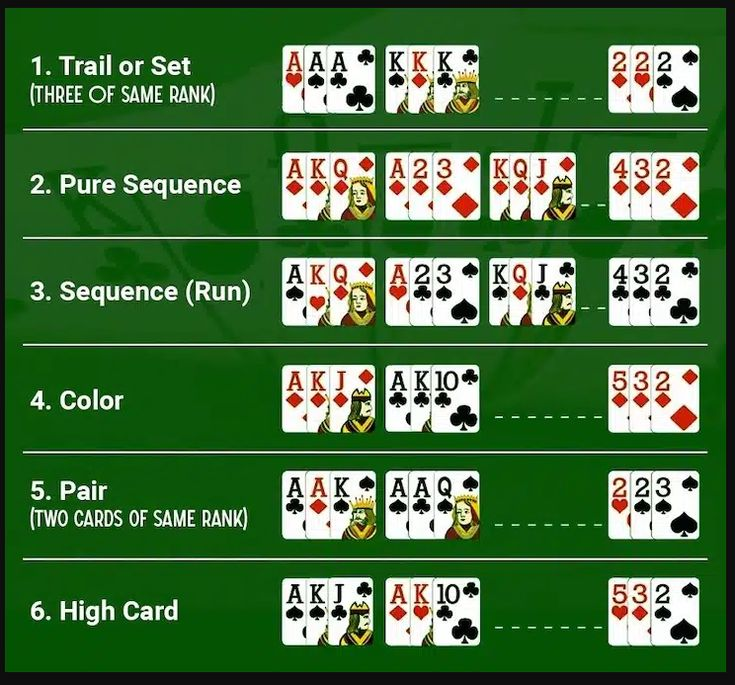
- Trail or Set (Three of a kind): Three cards of the same rank. Three Aces are the highest and three twos are the lowest.
- Pure Sequence (Straight Flush): Three consecutive cards of the same suit.
- Sequence (Run/Straight): Three consecutive cards not all in the same suit.
- Color (Flush): Three cards of the same suit that are not in sequence.
- Pair (Two of a kind): Two cards of the same rank.
- High Card: A hand in which the three cards are not in sequence, not all are the same suit and there are no two cards of the same rank.
Why Digital Score Tracking is Better Than Pen and Paper
If you've ever hosted a card night, you know the pain of running out of physical poker chips or trying to maintain a complex ledger on a piece of paper. Human error inevitably leads to miscalculations, meaning at the end of the night, the total money won doesn't match the money lost. Teen Patti Ledger Pro solves this completely by acting as an unalterable, mathematically perfect digital tracker.
Advanced Teen Patti Strategies & Bankroll Management
While Teen Patti relies heavily on the luck of the draw, mastering the psychological elements and practicing strict bankroll management separates amateur players from seasoned veterans. One of the most effective strategies is mastering the art of playing "Blind." By choosing not to look at your cards initially, you force your opponents to pay double your stake to stay in the hand, rapidly inflating the pot while conserving your own chips. This strategy requires immense discipline and a deep understanding of table dynamics, as you must learn to read your opponents' betting patterns rather than relying solely on the strength of your own hand.
Bankroll management is equally critical. In any high-variance card game, the risk of "going bust" is ever-present. A golden rule among professional players is to never risk more than 5% of your total bankroll on a single hand, regardless of how strong your cards appear. This mathematically ensures that you can absorb the inevitable "bad beats" when a statistically inferior hand miraculously draws a winning card. Using a digital tracking tool like Teen Patti Ledger Pro completely automates this process. The app allows you to set strict buy-in limits and visually tracks your chip stack relative to the table average, providing you with real-time analytics to inform your betting decisions.
Furthermore, understanding position is vital. The player who acts last in a betting round has a significant informational advantage, as they get to see how all other players have reacted before making their own decision. If you are seated in an early position, you should generally play a tighter, more conservative range of hands. Conversely, if you are acting late and the players before you have shown weakness by checking or making minimum bets, you can exploit this by playing aggressively and attempting to steal the pot, even with a marginal hand. Implementing these advanced concepts will drastically improve your long-term win rate.